崔齐 CUI Qi
“在水墨的晕染中,是生命最原始的躁动;在棉线的穿行里,是灵魂未被定义的轮廓。”
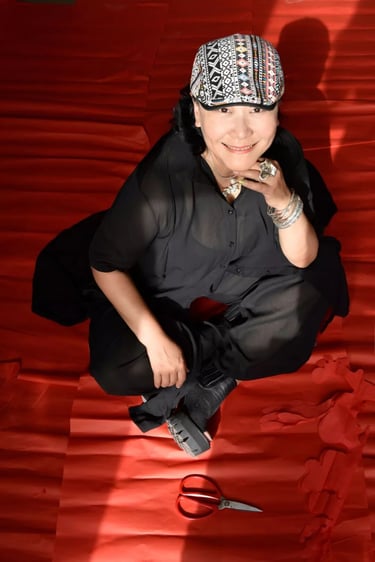
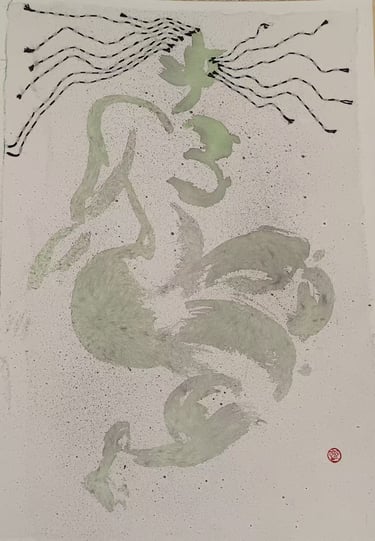
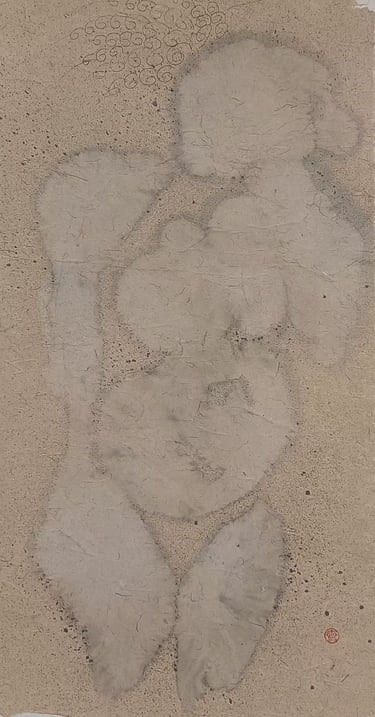
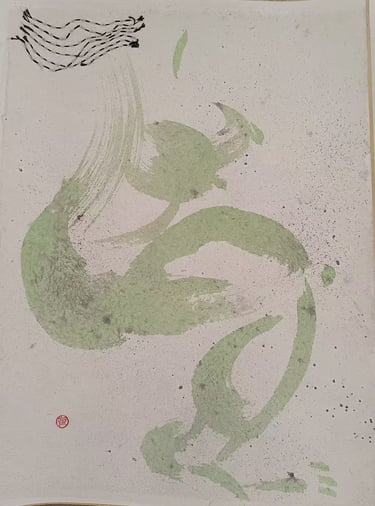
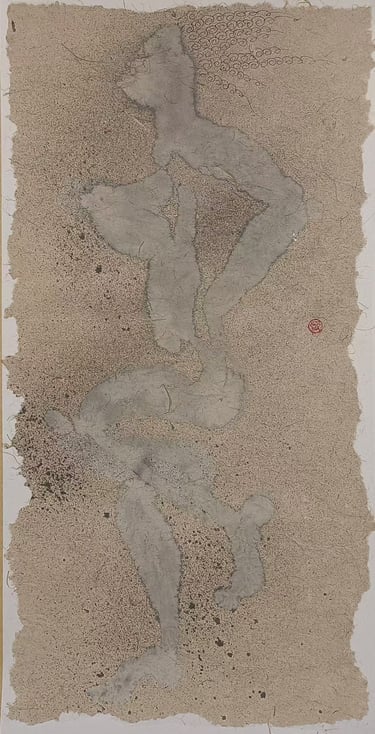
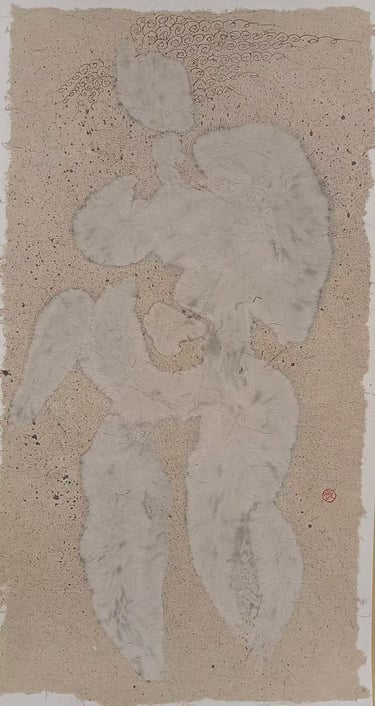
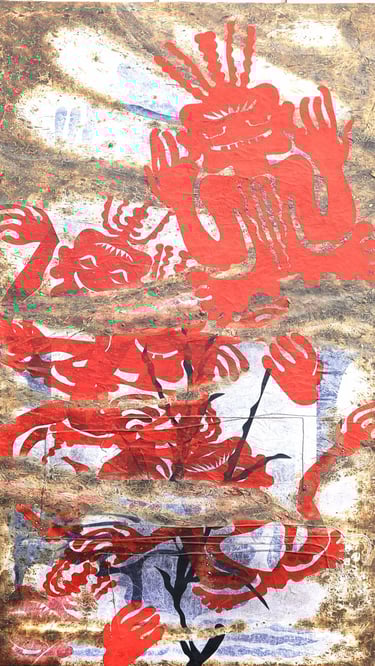
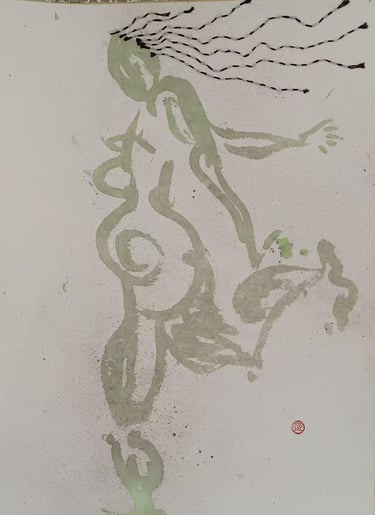
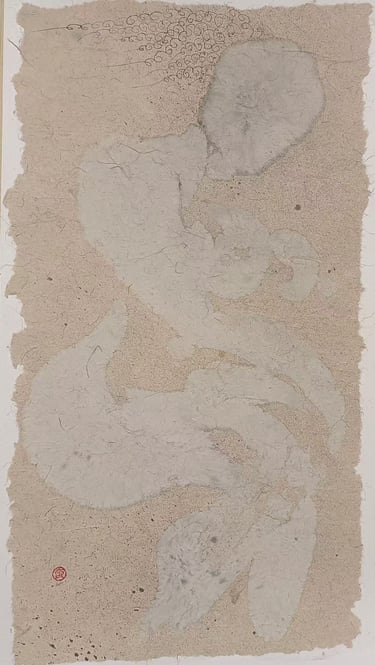
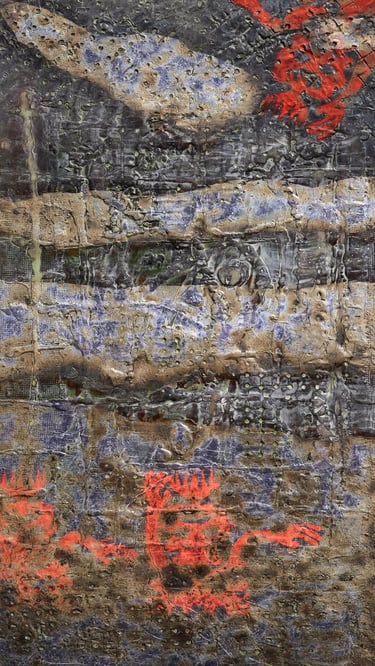
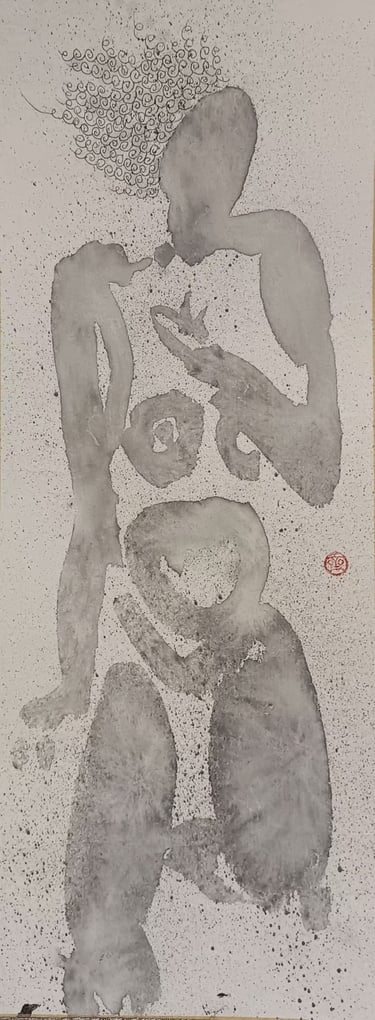
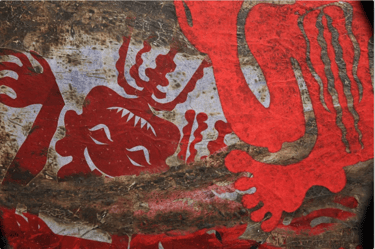
崔齐的艺术是一场关于“本真”溯源与“重回母体”的双重冒险。她的创作起始于梦境中关于“火娃”的神秘感悟,通过对传统剪纸符号的当代重构,开启了对人类身份在文明异化中挣扎与确认的探讨。然而,她早已不满足于剪纸的平面叙事,转而将视线投向了更具生命温度的媒介。在她的近作中,水墨不再只是笔墨情趣,而是化作温润而厚重的血肉;棉线不再是缝缀的工具,而是如同经络般,在画布上勾勒出女性人体的原始张力。
在她笔下,不仅有“火娃”跃动的形态,更有一种横跨时空的生命原力——那种源自远古图腾、又归于现代哲思的勃勃生机。这些女性形象,承载着“阴阳同体”的哲学思辨,也是对当下社会秩序异化的一种温柔抗争。她将女性艺术家的细腻直觉与一种雄浑阔大的创作气势完美融合,以一种近乎“农妇”般的拙朴与执着,在层层材料的堆叠与掩映下,剥离出生命最真实、最赤裸的底色。
在这里,传统不再是静态的工艺,而是沸腾的血液;身体不再是被凝视的客体,而是流动的意识。崔齐用她的“火娃”精神,在柔软的材料与刚劲的构图之间,重塑了一种既带有远古神性、又充满当代痛感的视觉诗学,邀请我们拨开迷雾,重新审视那些被社会异化的生命本色。
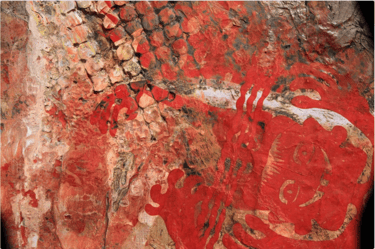
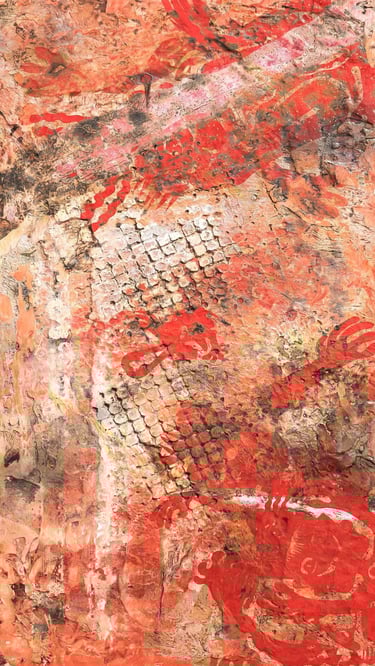
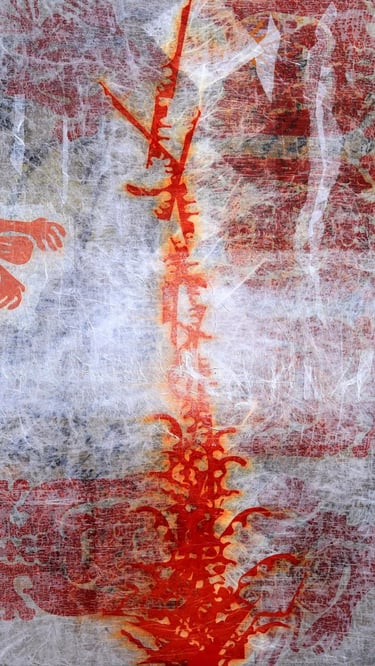
"Within the layered crimson shadows lies the rhythm of life; in the negative spaces of paper-cutting, the soul awakens."
Cui Qi’s art is a dual adventure of tracing "authenticity" and "returning to the matrix." Her creative journey began with a mystical realization of the "火娃(Fire Child)" in a dream, initiating an exploration of human identity’s struggle and affirmation amidst cultural alienation through a contemporary reconstruction of traditional paper-cutting symbols. However, she has long since moved beyond the planar narrative of paper-cutting, turning her gaze toward mediums with a warmer temperature of life. In her recent works, ink is no longer just a pursuit of brushwork but transforms into warm, substantial flesh; cotton threads are no longer tools for mending but act as meridians, tracing the raw tension of the female form on the canvas.
In her paintings, there is not only the kinetic form of the "Fire Child" but also a primal force of life that transcends time and space—a vibrant vitality originating from ancient totems and returning to modern philosophical reflection.These female figures carry the philosophical discourse of "androgyny" and represent a gentle defiance against the alienation of contemporary social order. Blending a female artist’s delicate intuition with a grand and vigorous creative spirit, and with a grounded, almost "peasant-like" persistence and simplicity, she peels back the layers of accumulated materials to reveal the most authentic and naked essence of life.
Here, tradition is no longer a static craft, but a boiling stream of blood; the body is no longer an object to be stared at, but a vessel of fluid consciousness. Using her "Fire Child" spirit, Cui Qi reshapes a visual poetics—one that possesses both ancient divinity and contemporary ache—somewhere between the softness of materials and the strength of her artistic vision, inviting us to pierce through the mist and re-examine the true essence of life alienated by society.
关于艺术家 | About the Artist
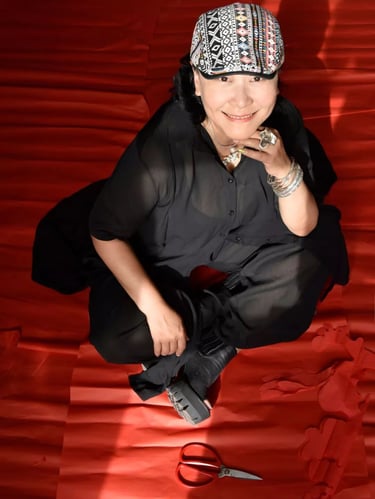
崔齐 (Cui Qi),出生于北京的艺术世家,自幼浸润于中央工艺美术学院(现清华美院)深厚的民族民间艺术氛围。作为当代杰出的女艺术家,她的创作横跨水墨、剪纸、综合材料及装置艺术,致力于将中国传统“母语”剪纸艺术转化为当代视觉语言,始终围绕着“生命本真”这一核心命题。
在132届法国巴黎大皇宫独立艺术家展中,她的作品因其独特的东方韵味与材料创新引发了国际艺坛的关注。她善于利用棉线、水墨等多元媒介,在画面上构建出多层空间的视觉深度,探讨女性人体在现代语境下的身份焦虑与自我救赎。崔齐的作品被《中国当代艺术文献》提名,并广受欧洲收藏家青睐。她深信“艺术要保持纯粹与天真”,在喧嚣的当代画坛中,她始终保持着一种蛰伏的姿态,用时光打磨着那些连接远古与未来的生命图像。其代表作《粲》、《鬈》等深受德国、法国及全球私人收藏家的青睐。崔齐现专注于探索“阴阳同体”与社会异化的生命课题,通过对民间美术养分的吸纳与转化,在国际舞台上持续输出具有中国根脉的当代艺术。
Cui Qi, born into an artistic family in Beijing, Cui Qi was immersed from childhood in the profound folk art atmosphere of the Central Academy of Arts and Crafts (now the Academy of Arts & Design, Tsinghua University). As a distinguished contemporary female artist, her practice spans ink wash, paper-cutting, mixed media, and installation art. She is dedicated to transforming the "mother tongue" of traditional Chinese paper-cutting into a contemporary visual lexicon, consistently centering her work on the core theme of the "authenticity of life."
At the 132nd Salon des Indépendants at the Grand Palais in Paris, her work garnered international acclaim for its unique Eastern charm and innovative use of materials. Skillfully utilizing diverse media such as cotton threads and ink, she constructs multi-layered visual depths on her canvases, exploring the identity anxiety and self-redemption of the female form within a modern context. Nominated by the China Contemporary Art Document, Cui Qi’s work is highly sought after by European collectors. She firmly believes that "art must remain pure and innocent." Amidst the clamor of the contemporary art scene, she maintains a patient, focused stance, using time to refine images of life that bridge the ancient past and the future. Her signature series, such as Charm and Curl, are favored by private collectors in Germany, France, and around the world. Currently, Cui Qi focuses on exploring themes of "androgyny" and social alienation, continuously projecting contemporary art with Chinese roots onto the international stage through the absorption and transformation of folk art essence.